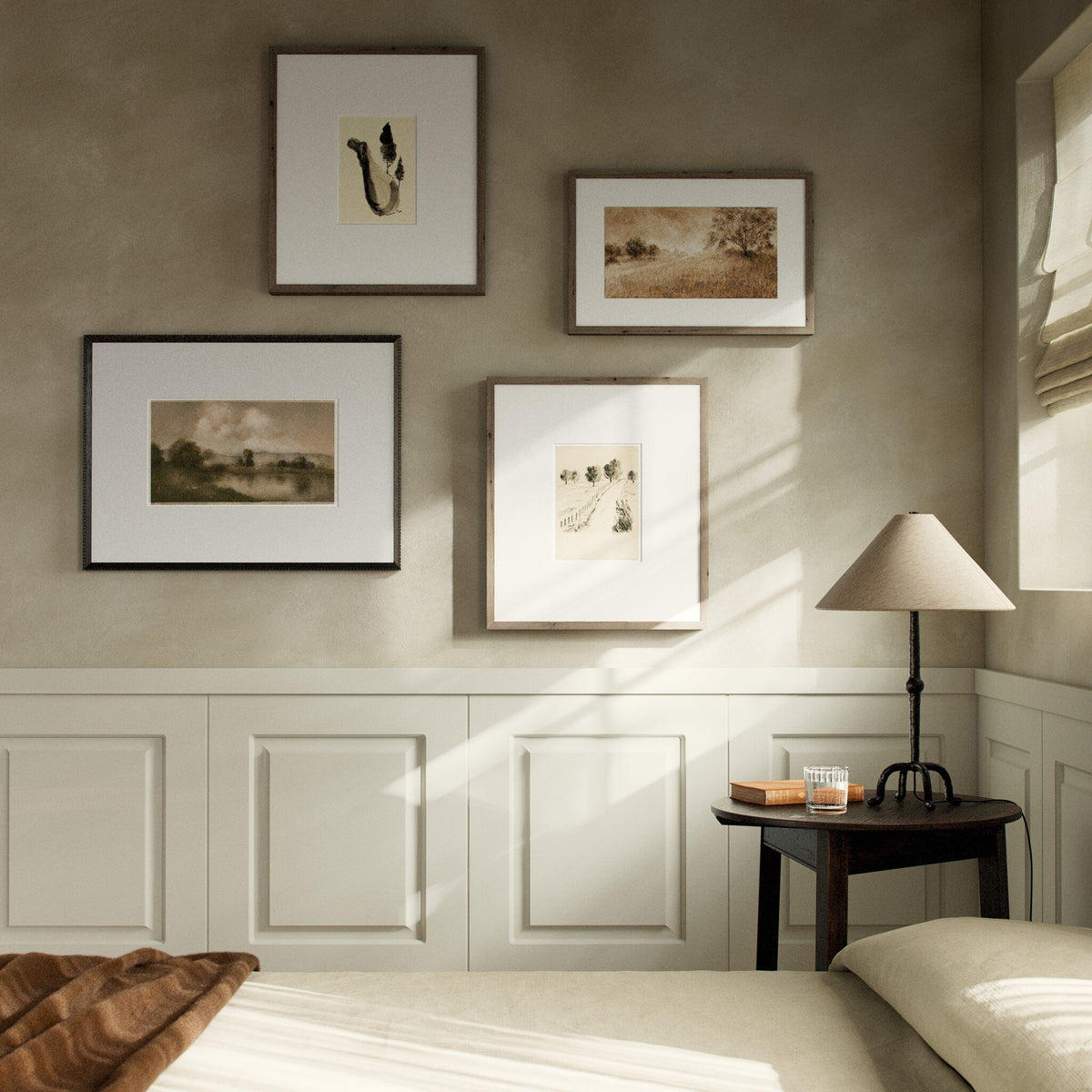


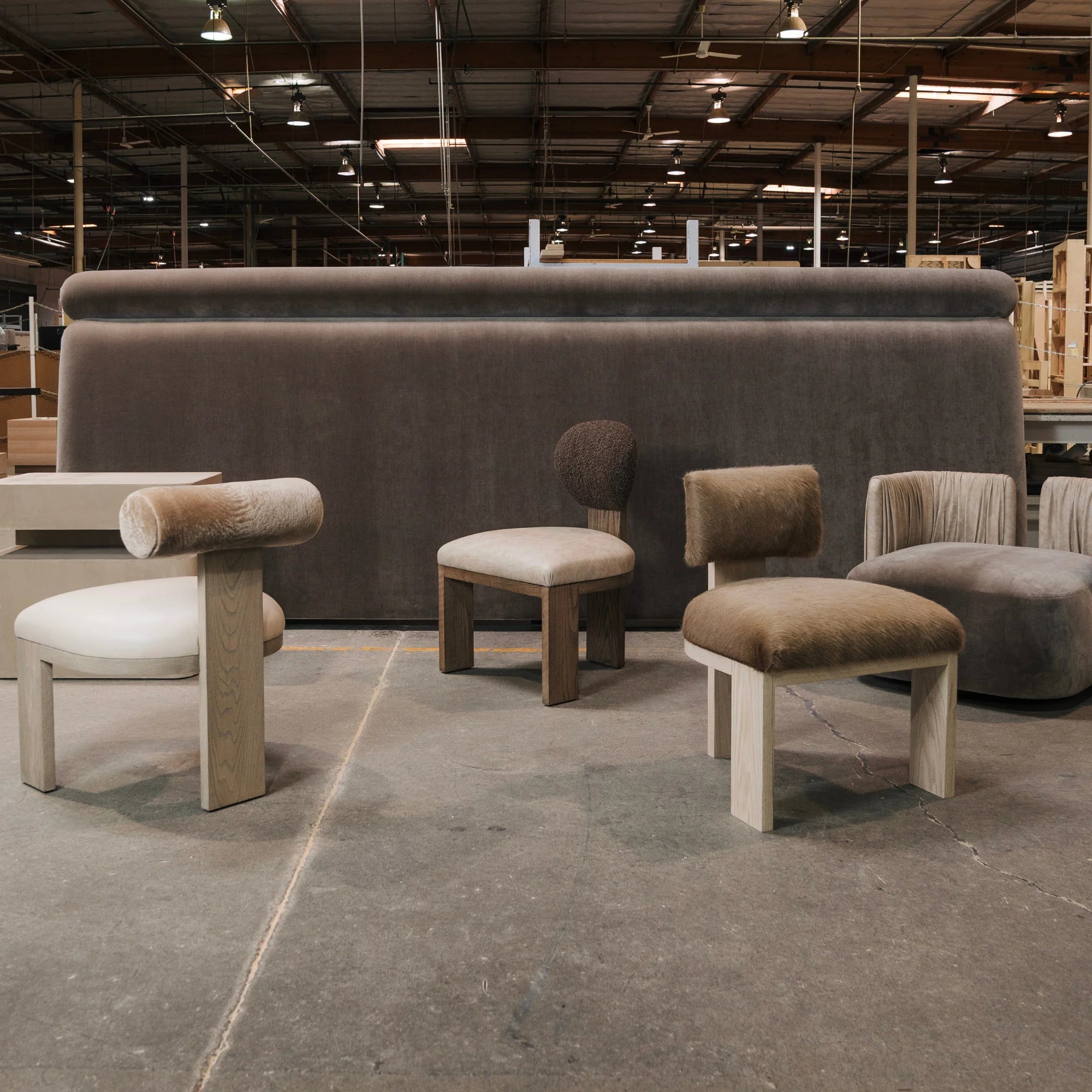
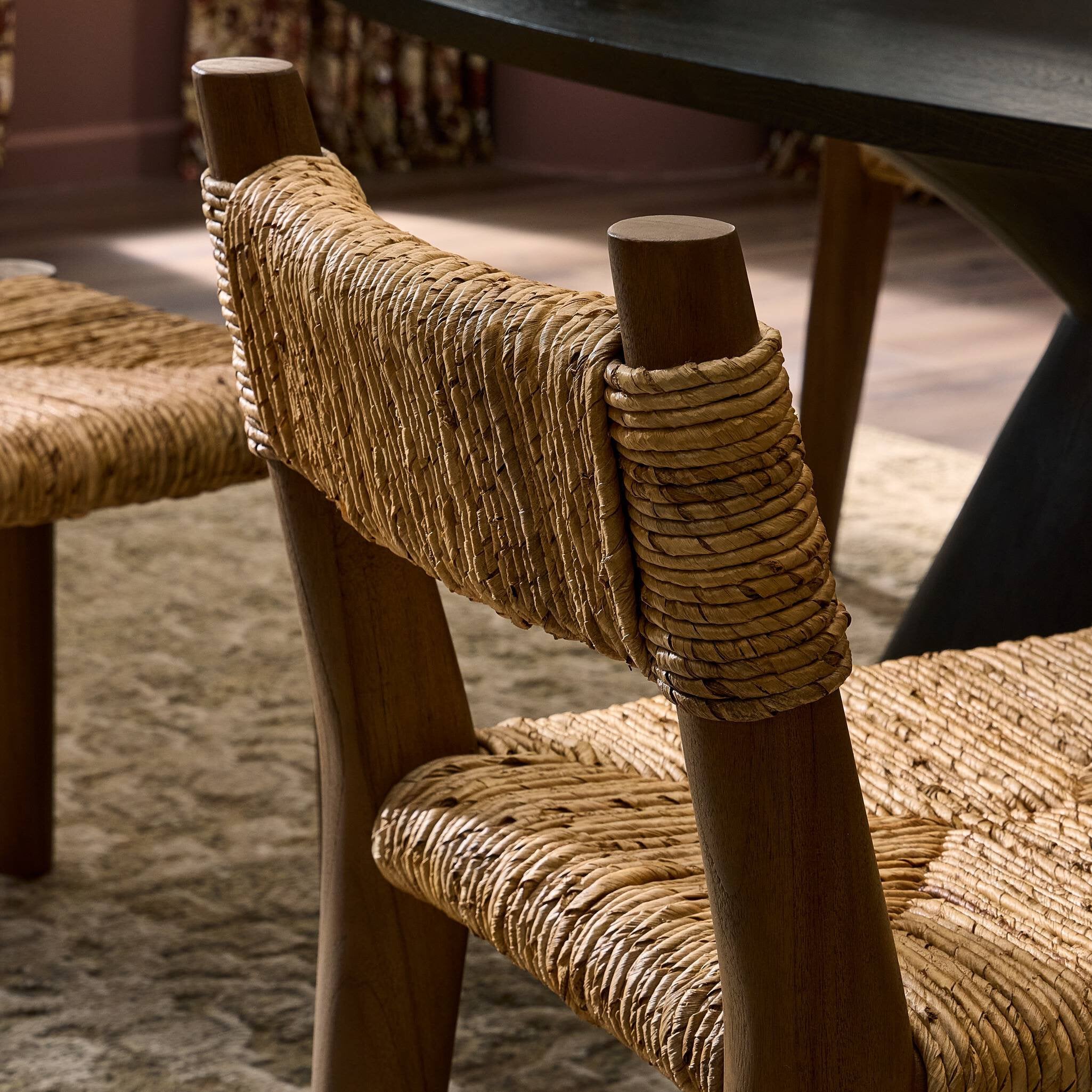
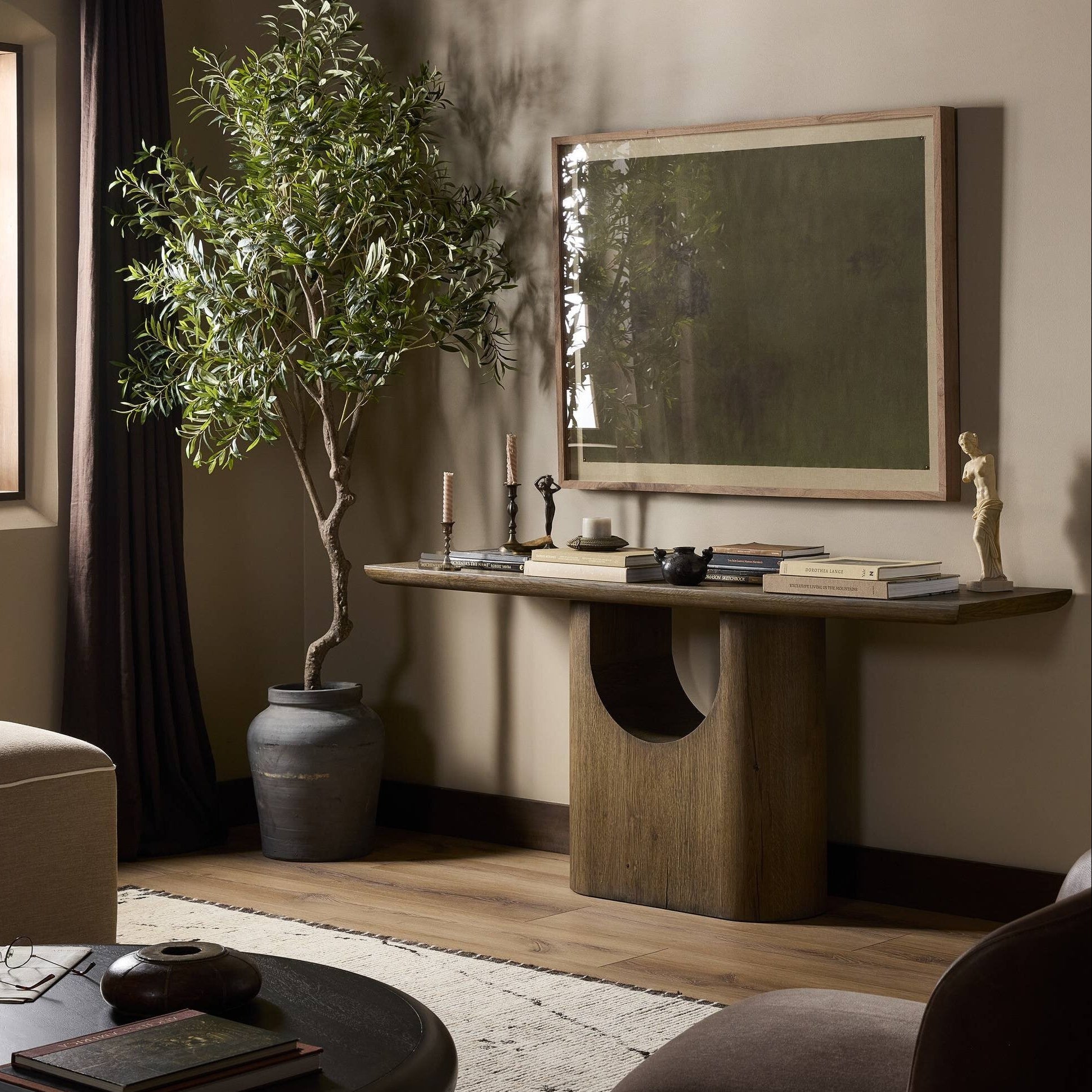
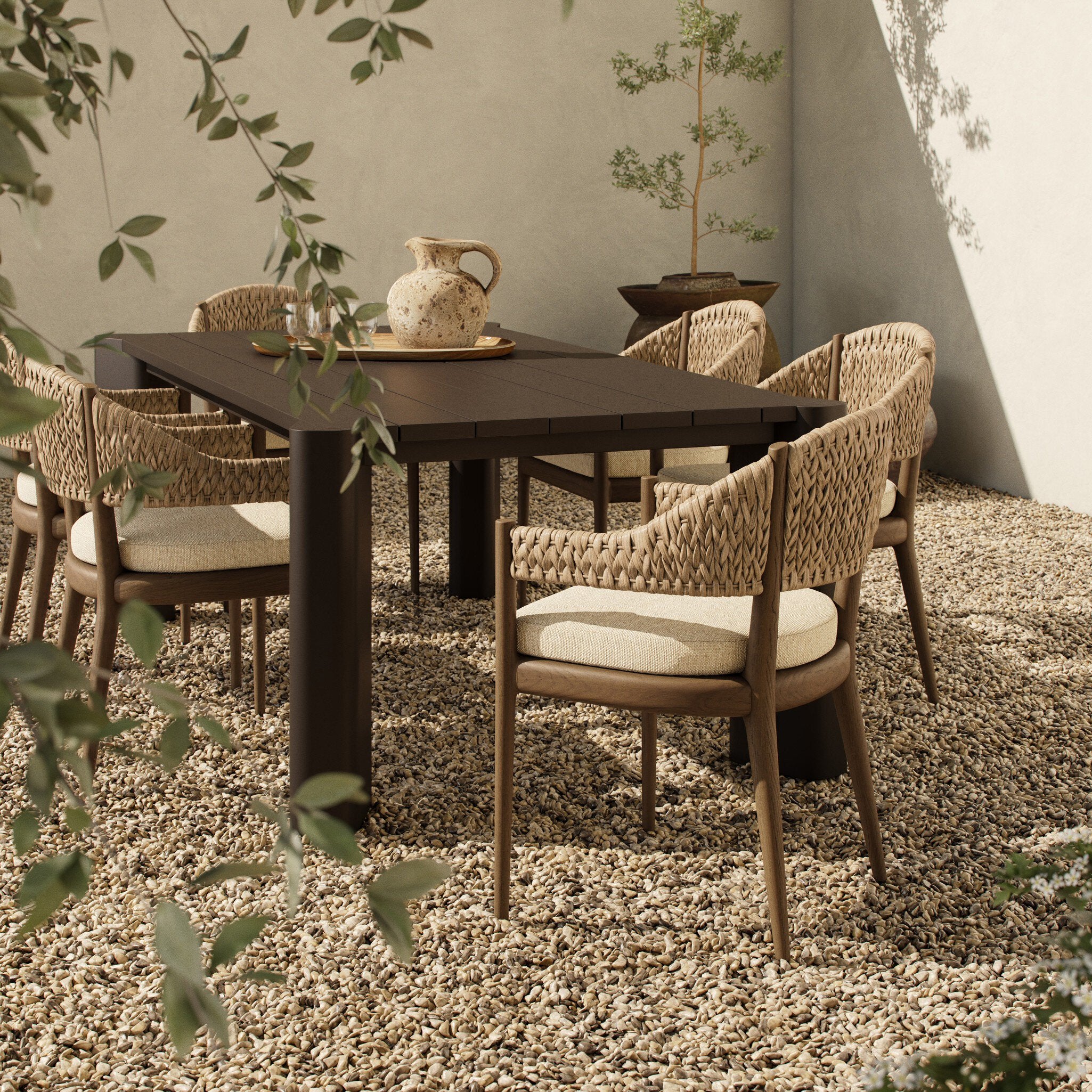

Start by Identifying Your Dominant Wood Tone
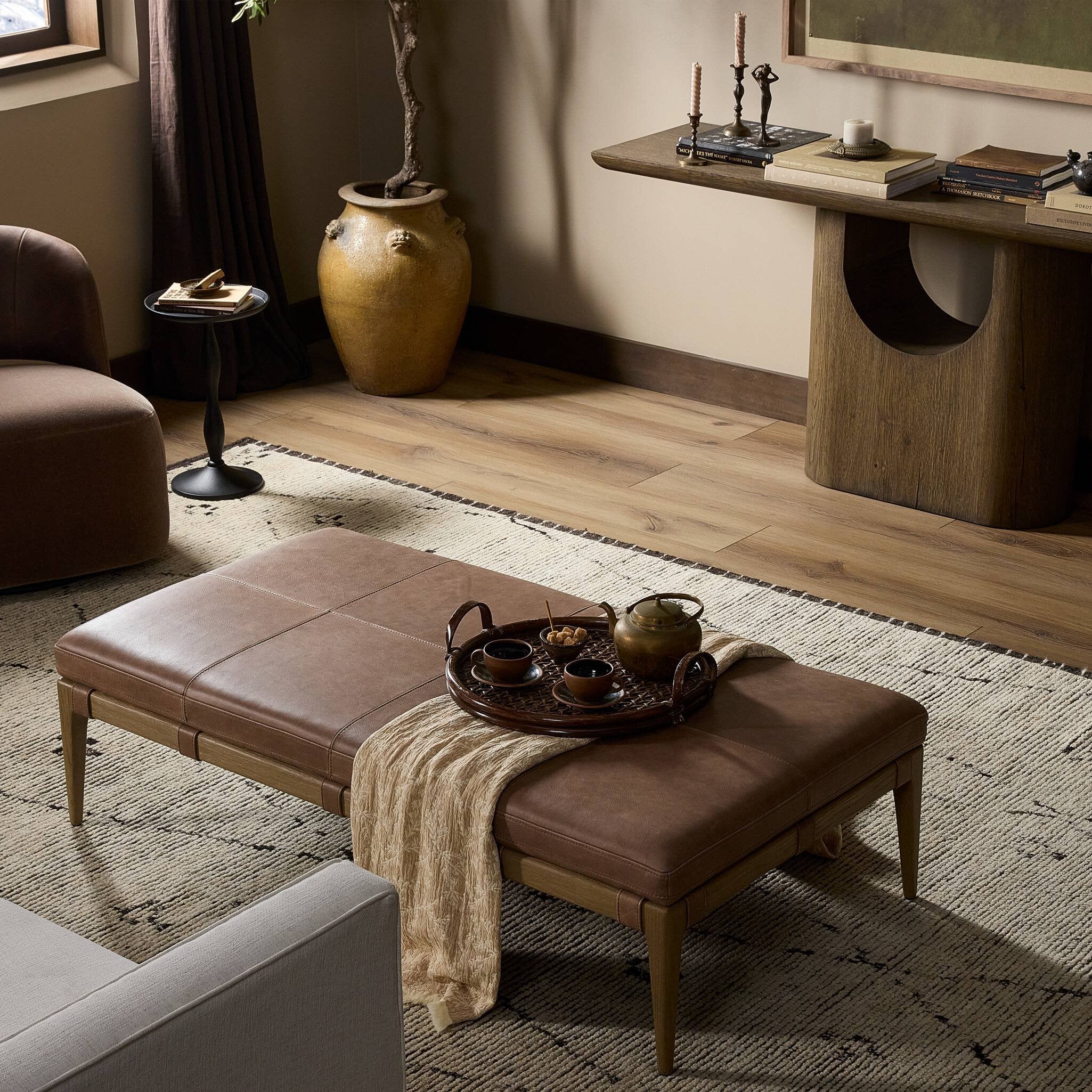
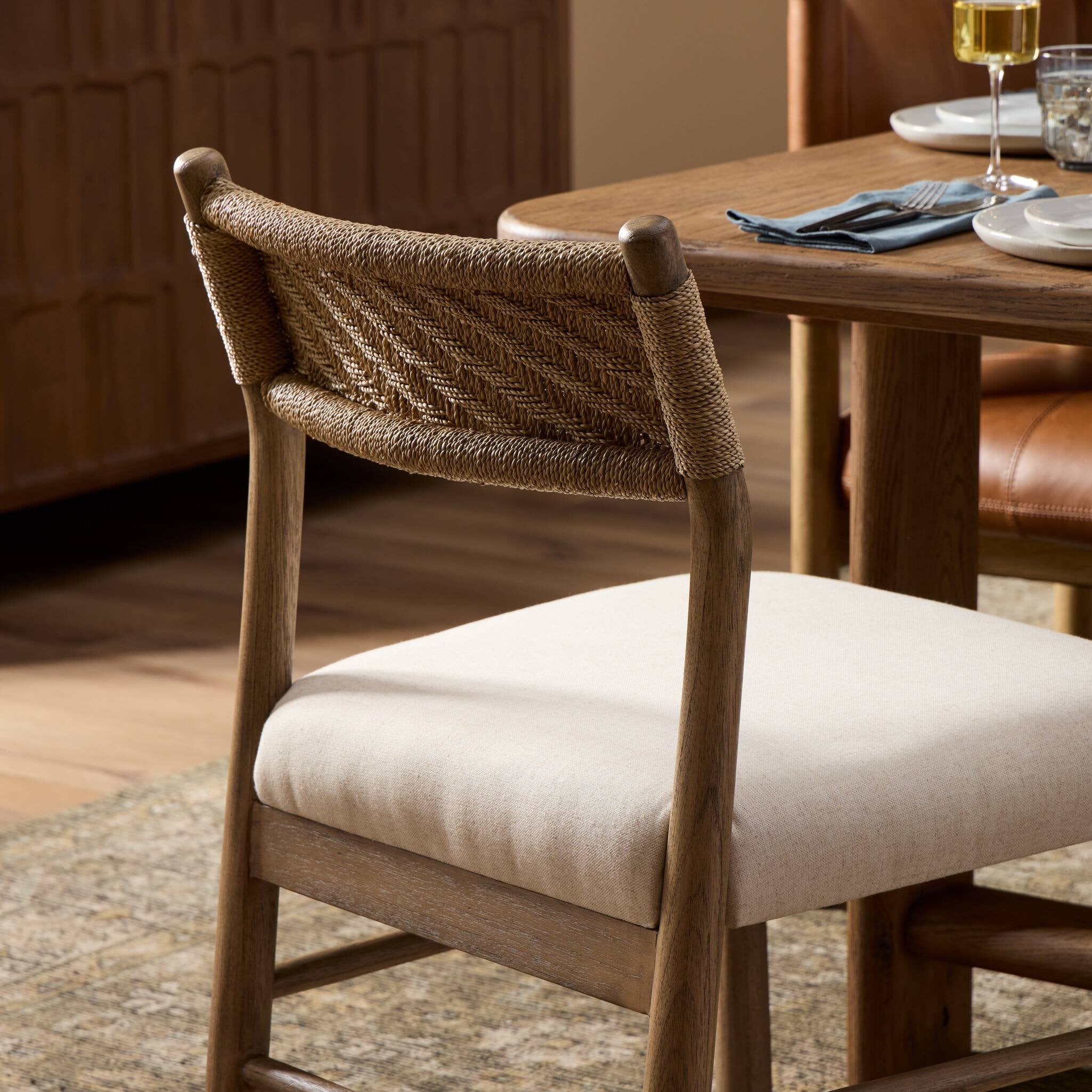
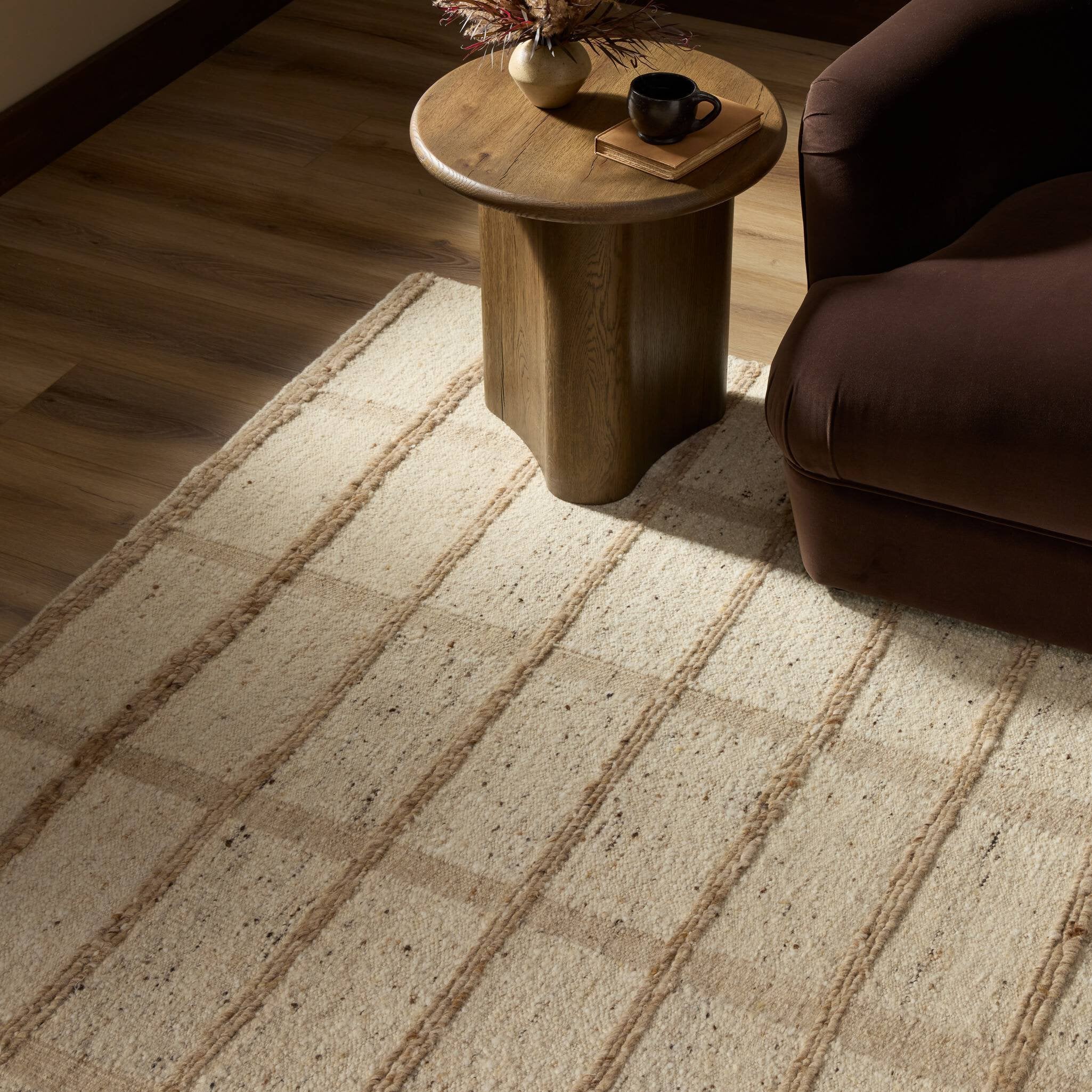
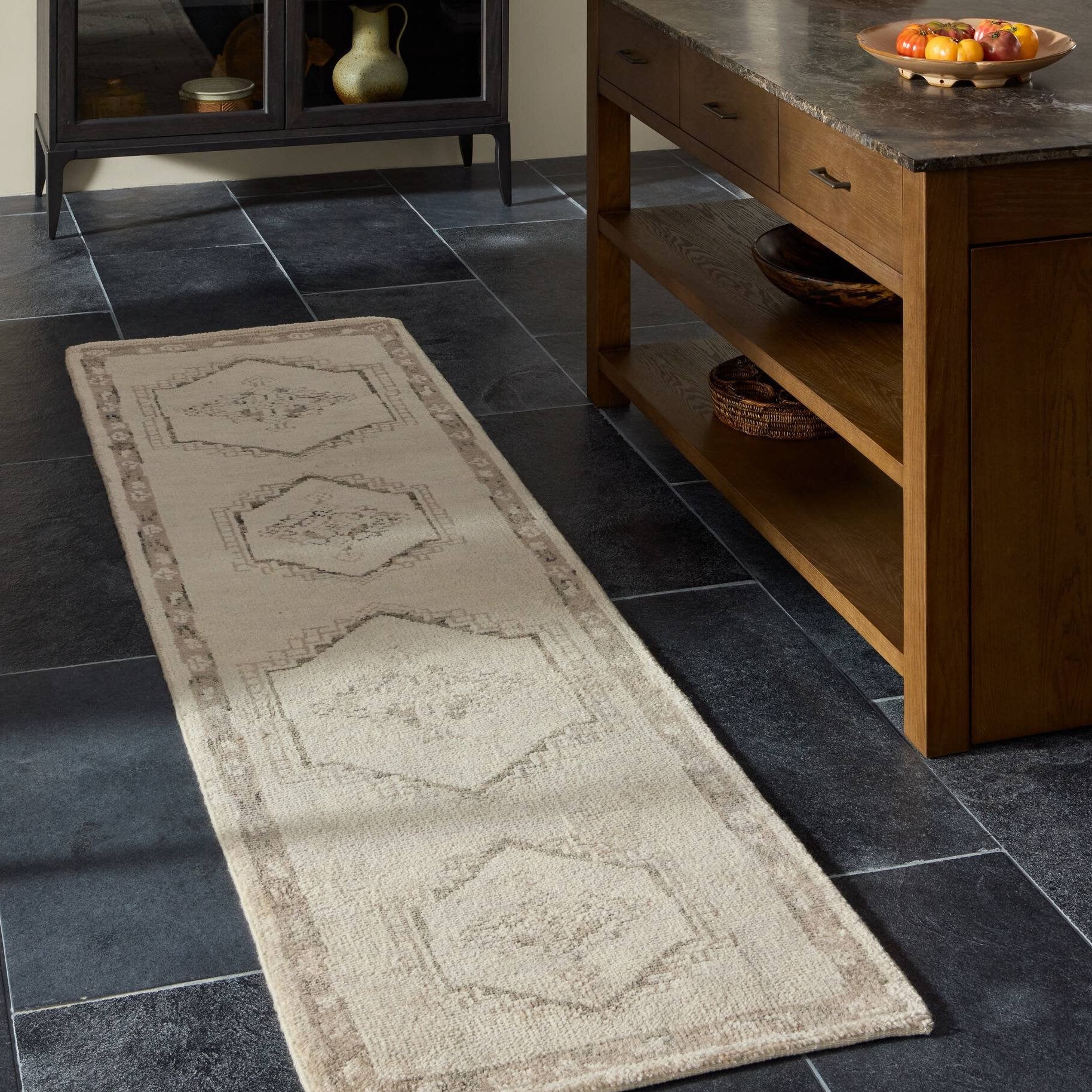
Every well-designed space starts with a dominant wood tone. This is the anchor that grounds the room and guides every other decision. In most homes, the dominant wood tone shows up in one of the largest permanent elements like wood flooring, kitchen cabinetry, ceiling beams, or large built-ins.
If your space does not have a major architectural wood feature, your dominant tone may come from a large furniture piece such as a dining table, media console, or bed frame. Once you identify this tone, treat it as your reference point. You do not need to match everything to it, but everything should relate to it.
Understanding your dominant wood tone helps prevent random selections and creates a sense of intentional design from the start.

Dominant Wood Tone: Warm White Oak Flooring. In this space, the wide plank white oak flooring acts as the dominant wood tone. Because it spans the entire room and covers the largest surface area, it naturally anchors the design. Its warm undertones set the foundation for every other wood element, from the island paneling to the woven barstools, creating cohesion while still allowing for contrast and layering throughout the kitchen.
Photo Credit: Pinterest