INTERIOR DESIGN STYLES
Wabi-Sabi

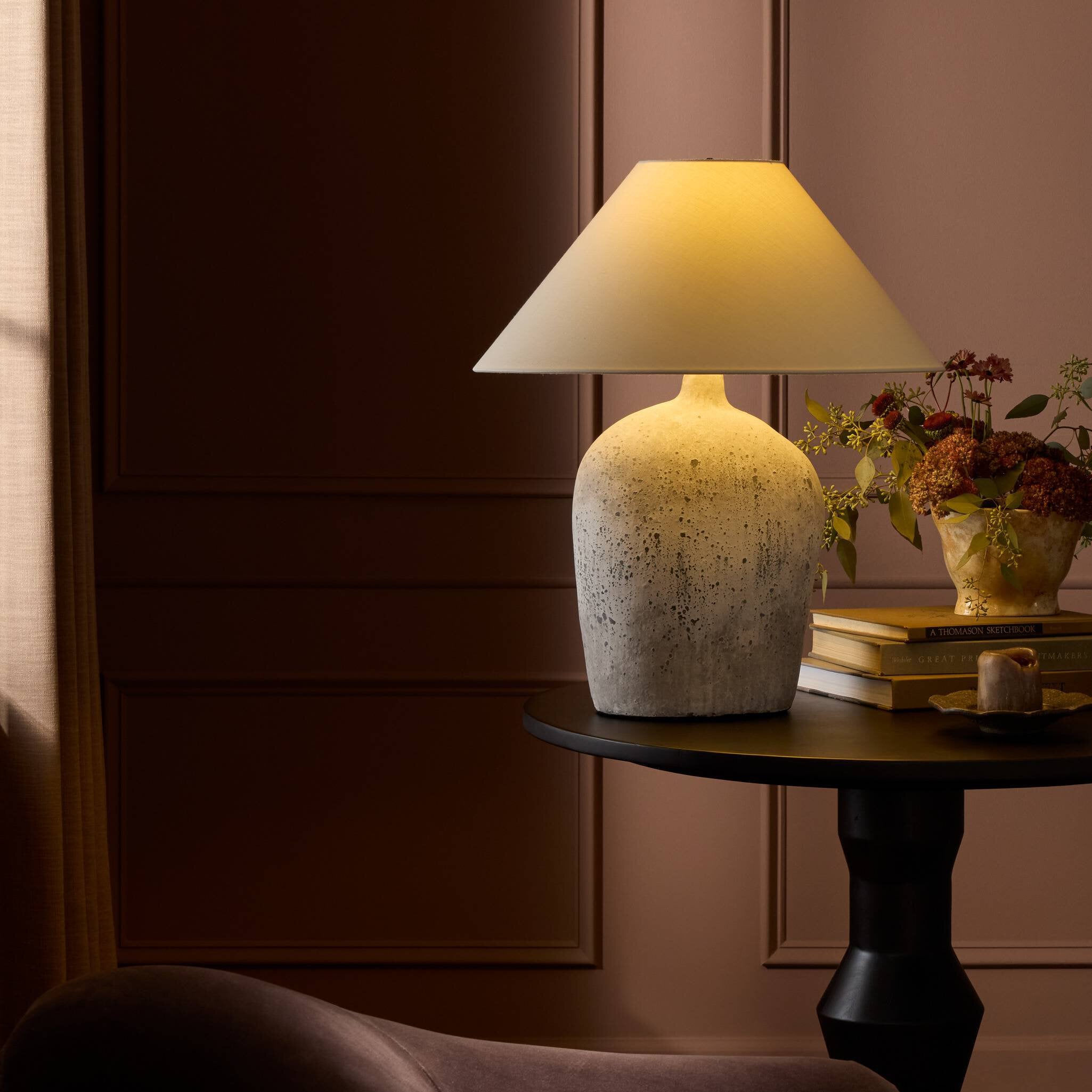
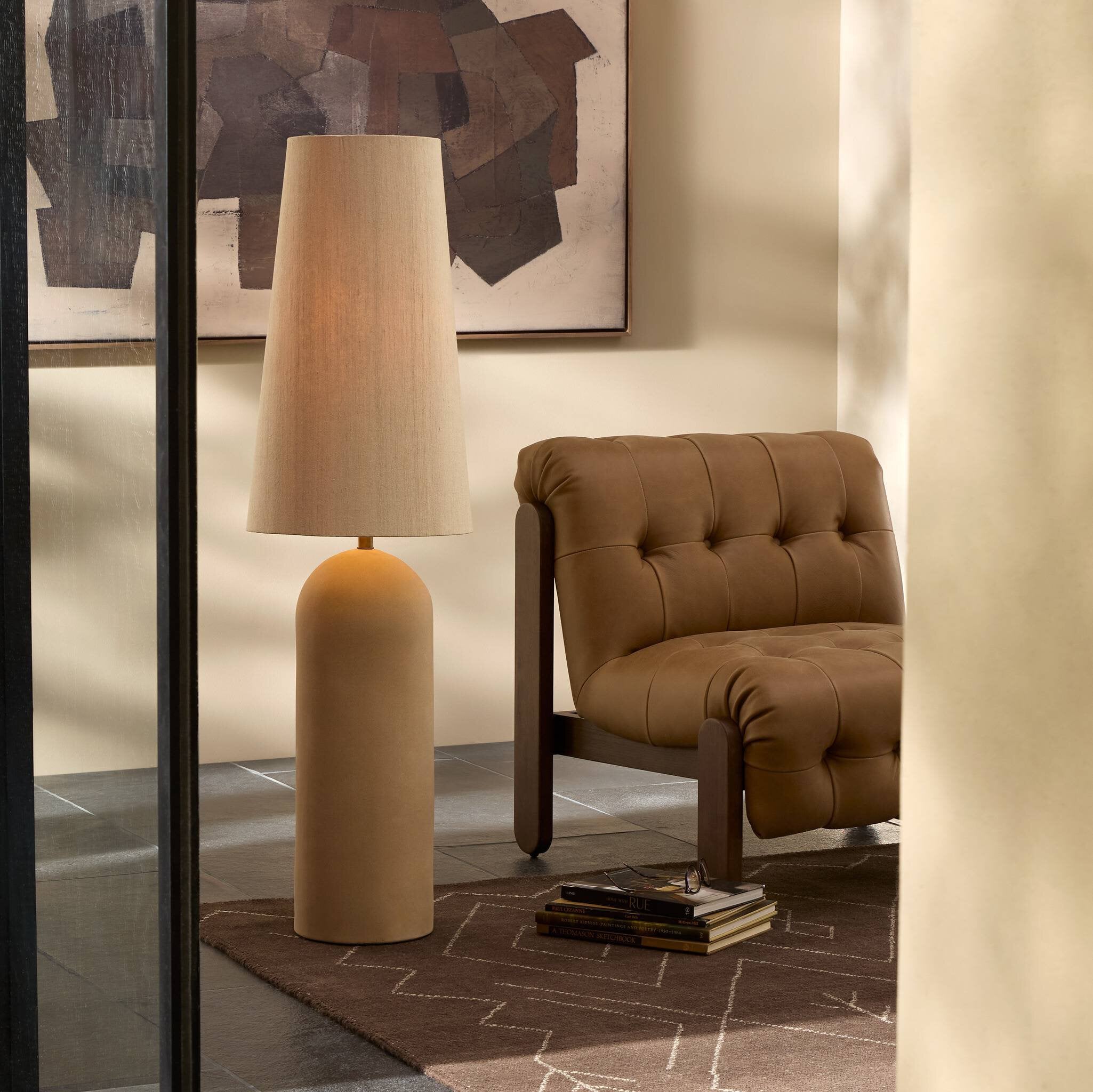
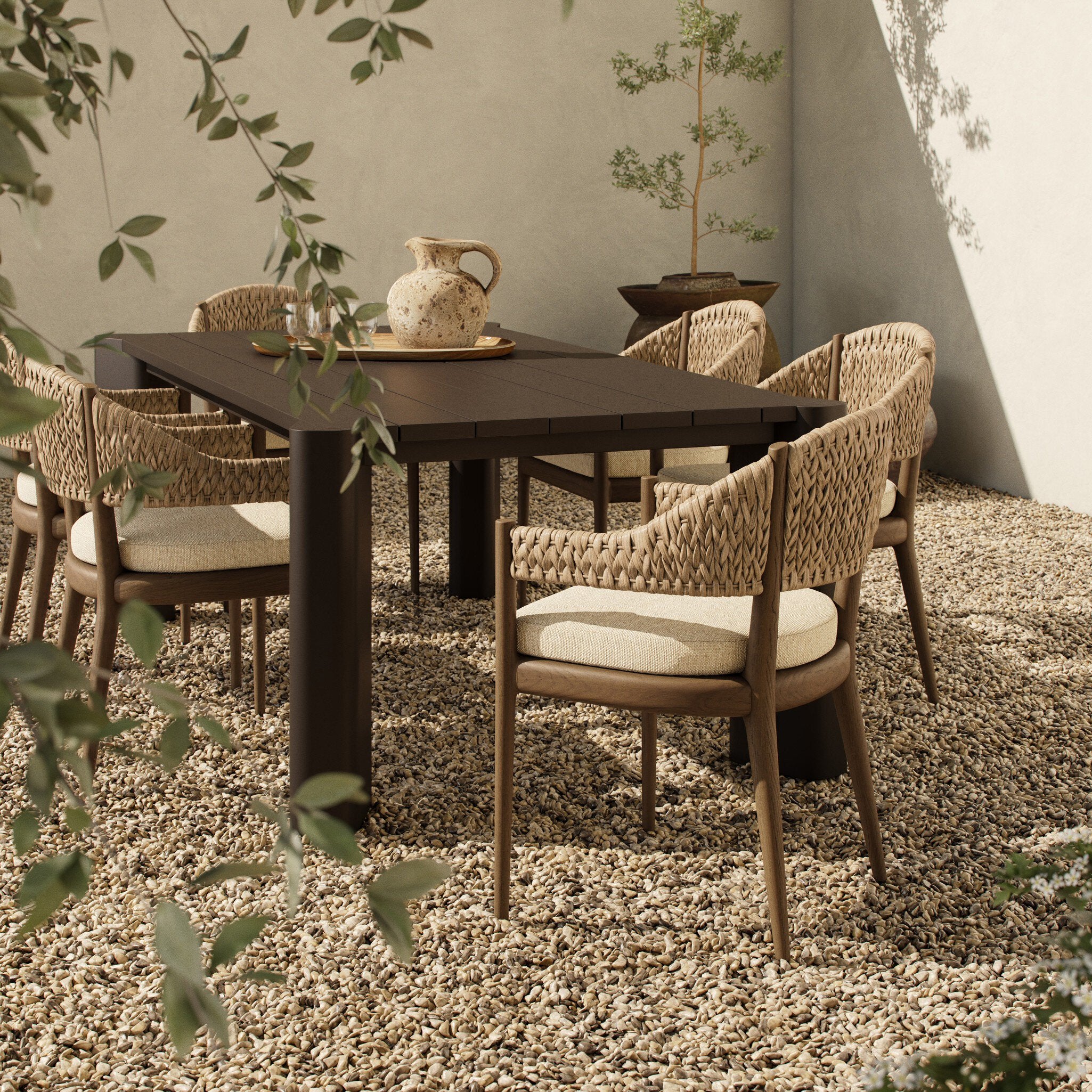
Rooted in Japanese philosophy, Wabi-Sabi style celebrates imperfection, impermanence, and the quiet beauty of things that feel real. In a world of glossy finishes and picture-perfect spaces, Wabi-Sabi invites you to slow down and embrace the worn edges, the uneven glaze, and the texture that tells a story.
What Is Wabi-Sabi Style?
Wabi-Sabi finds its beauty in authenticity. It’s inspired by nature: its asymmetry, its a soft palette, its a constant state of change. You’ll see raw woods, muted tones, organic shapes, and materials that age gracefully over time.
Think:
- A reclaimed wood console table with knots and nail marks that hint at its history.
- A ceramic vase with a slightly uneven rim that catches the light differently from every angle.
- A linen sofa that gets softer (and better) the more you live in it.
It’s not about chasing perfection. It’s about creating a home that feels lived-in, loved, and uniquely yours.

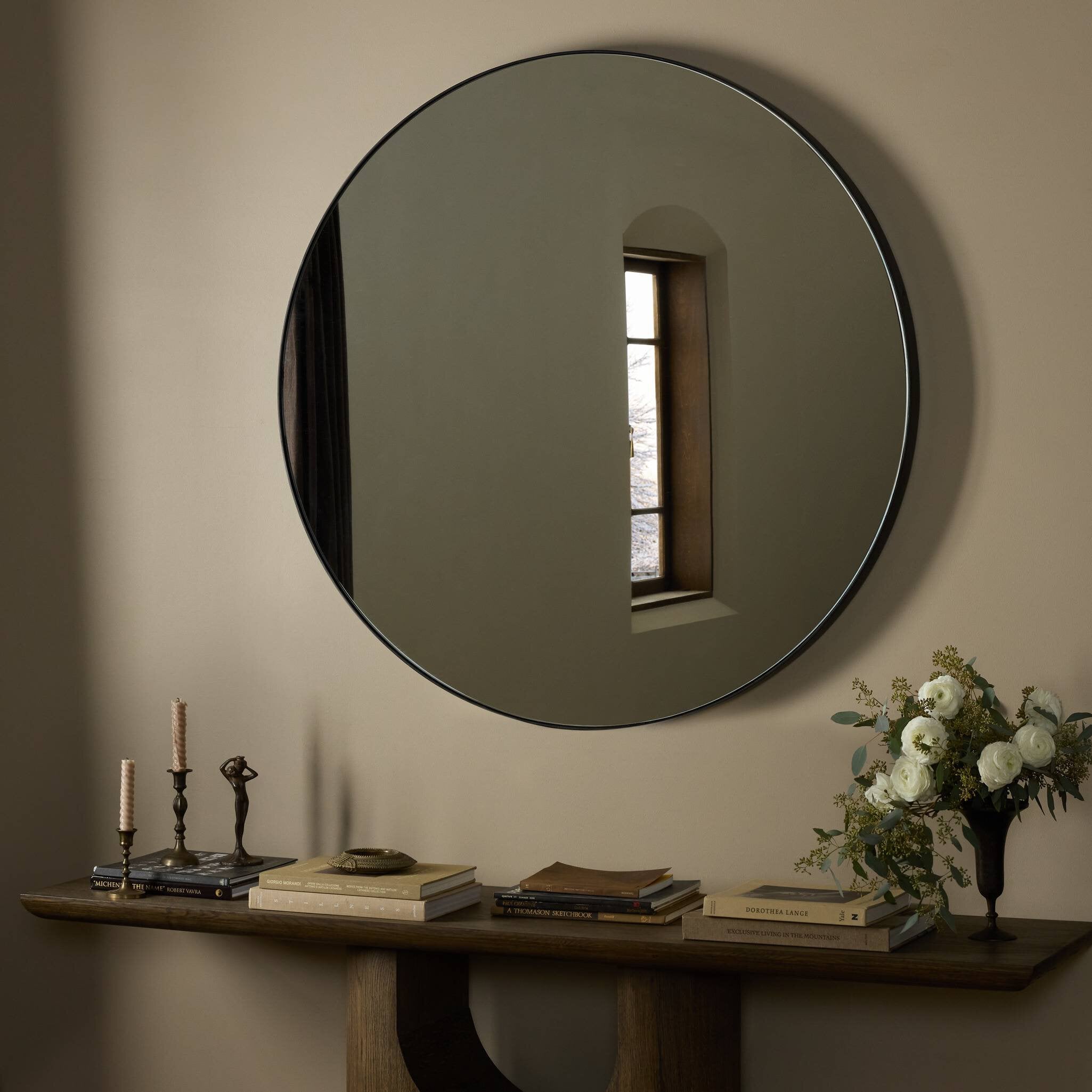
Pictured: Glydel Floor Mirror
How to Style Your Home With Wabi-Sabi Design

The beauty of Wabi-Sabi home decor is that it works in any space. The key is layering pieces that feel organic, tactile, and personal.
When styling with Wabi-Sabi in mind, think of your home as a collection of stories rather than a showroom. Every object, whether it’s a weathered side table, a handmade ceramic, or a piece of driftwood picked up on a walk, becomes part of the narrative. Layer these pieces thoughtfully, leaving space for them to breathe and be noticed. The goal isn’t to fill every corner, but to create moments that feel intentional and quietly beautiful.
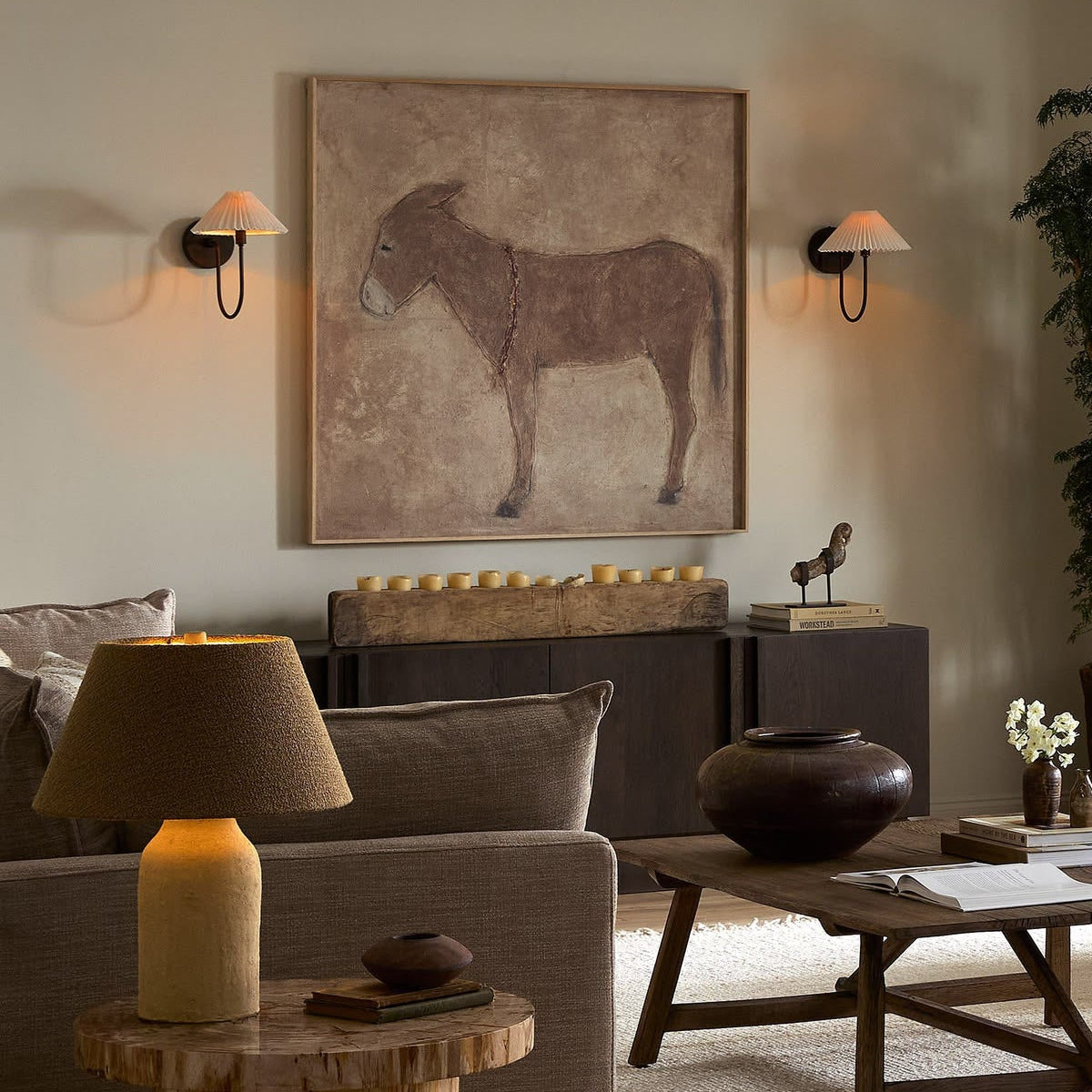
Pictured: Attrition By Paul Meyer Artwork
1. Use Natural, Honest Materials
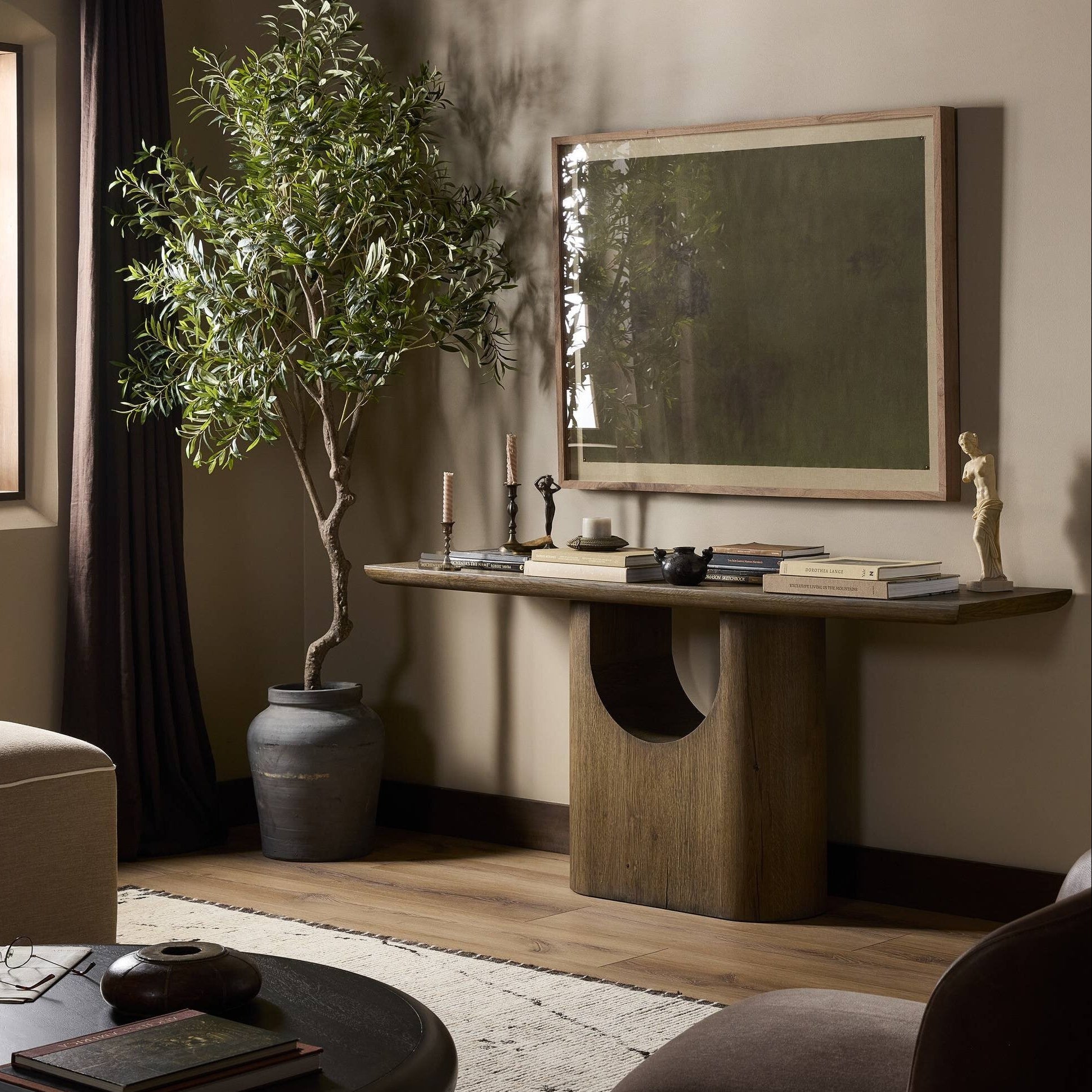
Wabi-Sabi leans into materials in their purest form. Reclaimed wood furniture is a favorite—not because it’s flawless, but because it isn’t. Each dent, groove, and color variation tells a story. In tables, consoles, and shelving, look for light or weathered woods with visible grain.
Stone is another staple—whether it’s a marble side table, a soapstone countertop, or a slate tray. The natural veining and patina give depth and character, especially when paired with softer elements like linen or wool.

Pictured: Waterfall Vintage Console Table
2. Choose Simple, Soulful Furniture

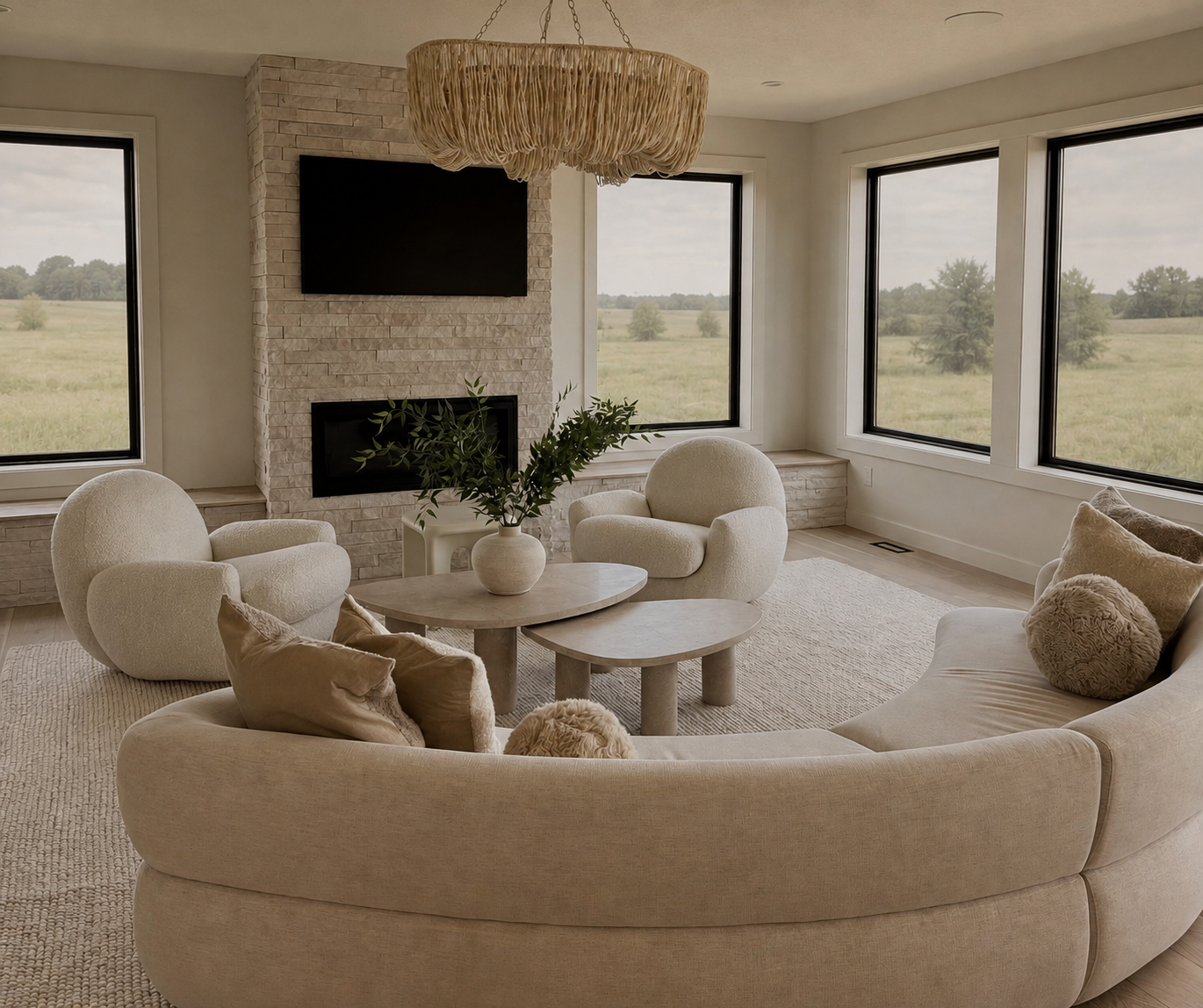
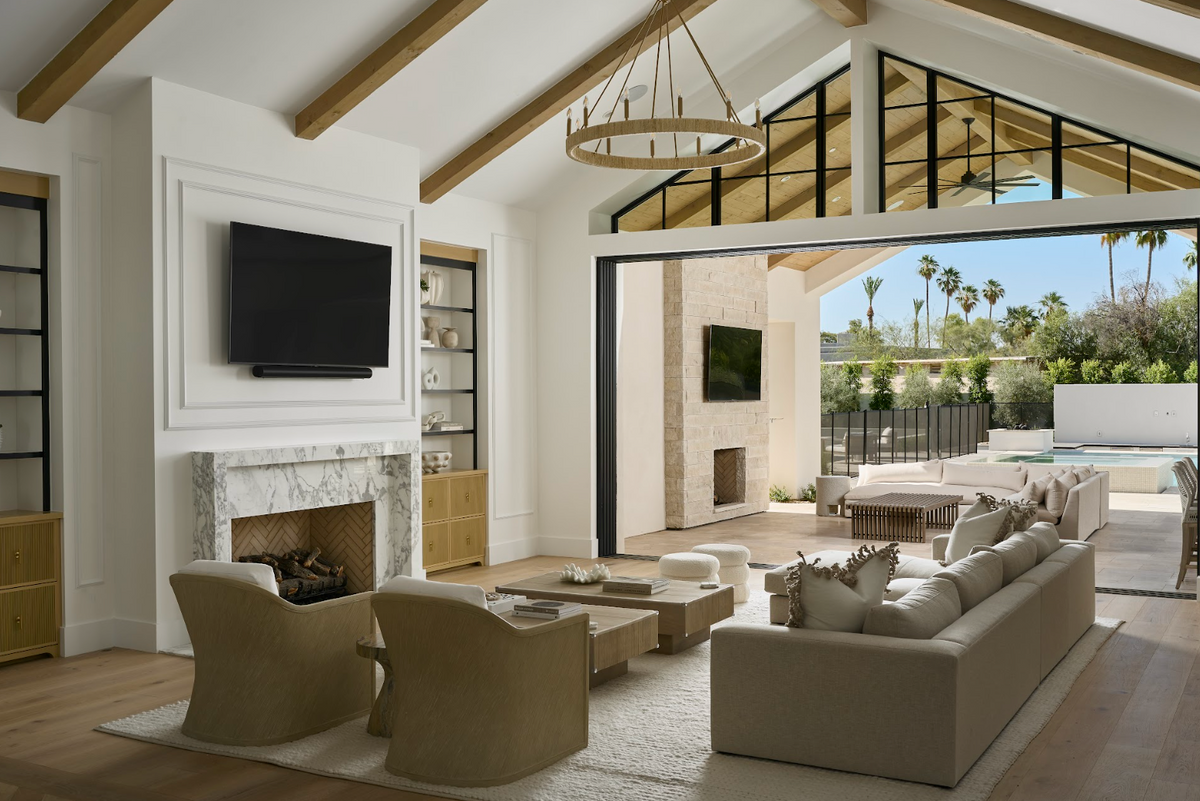
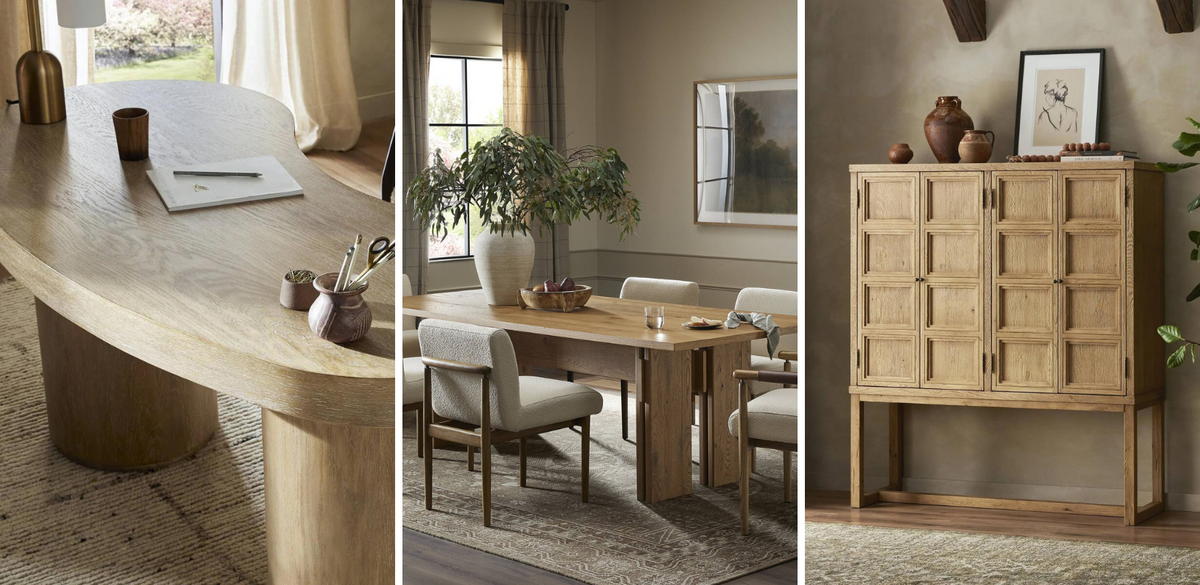
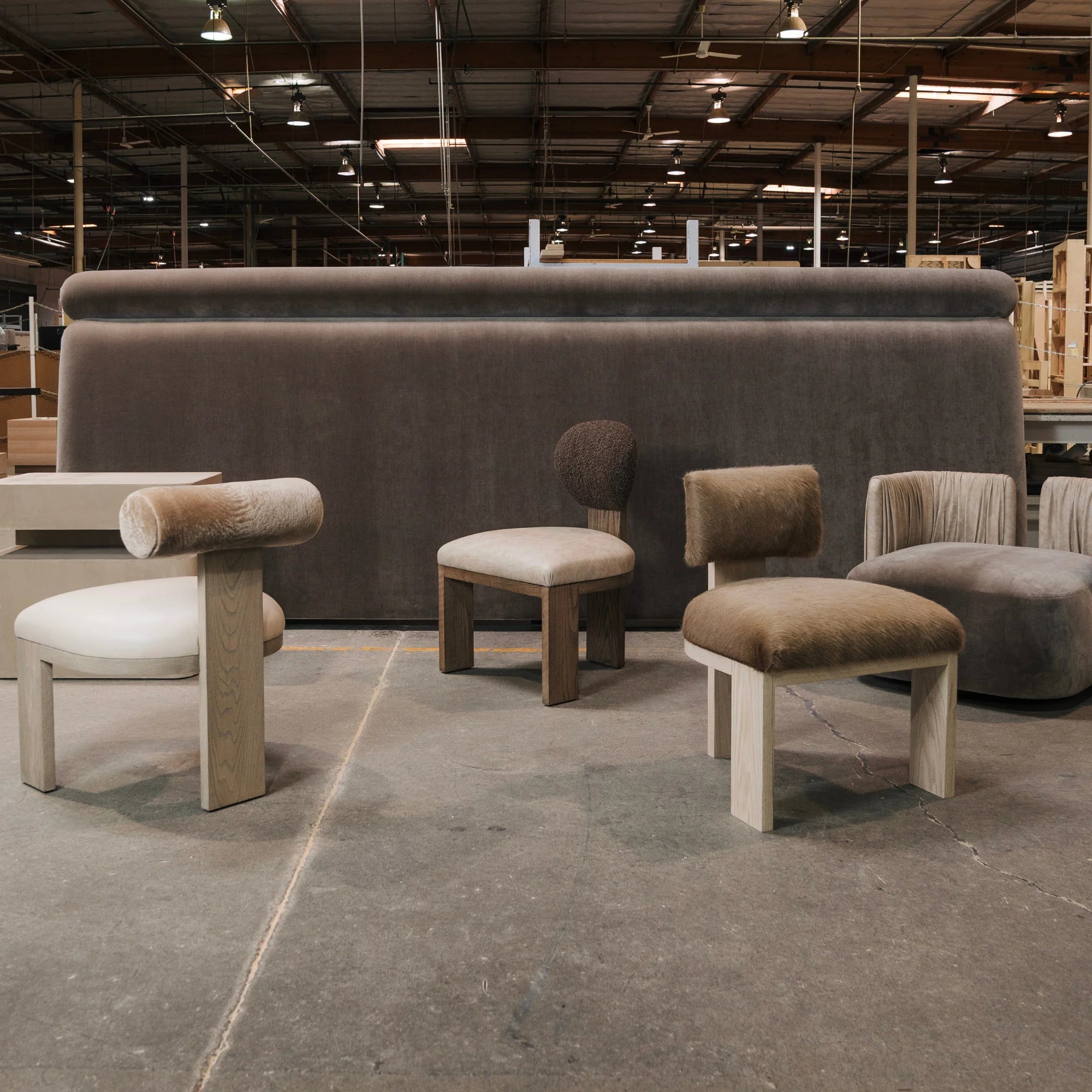
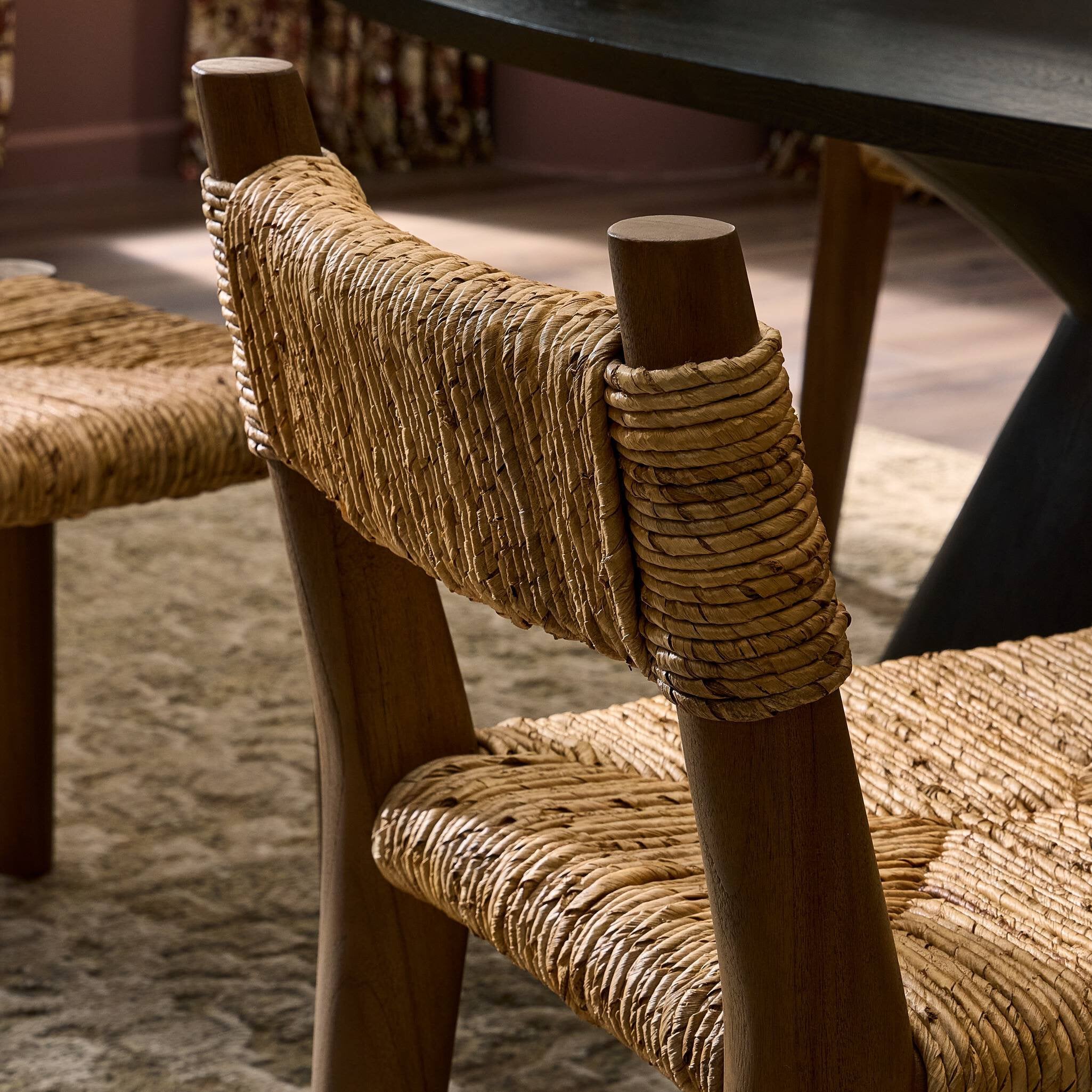
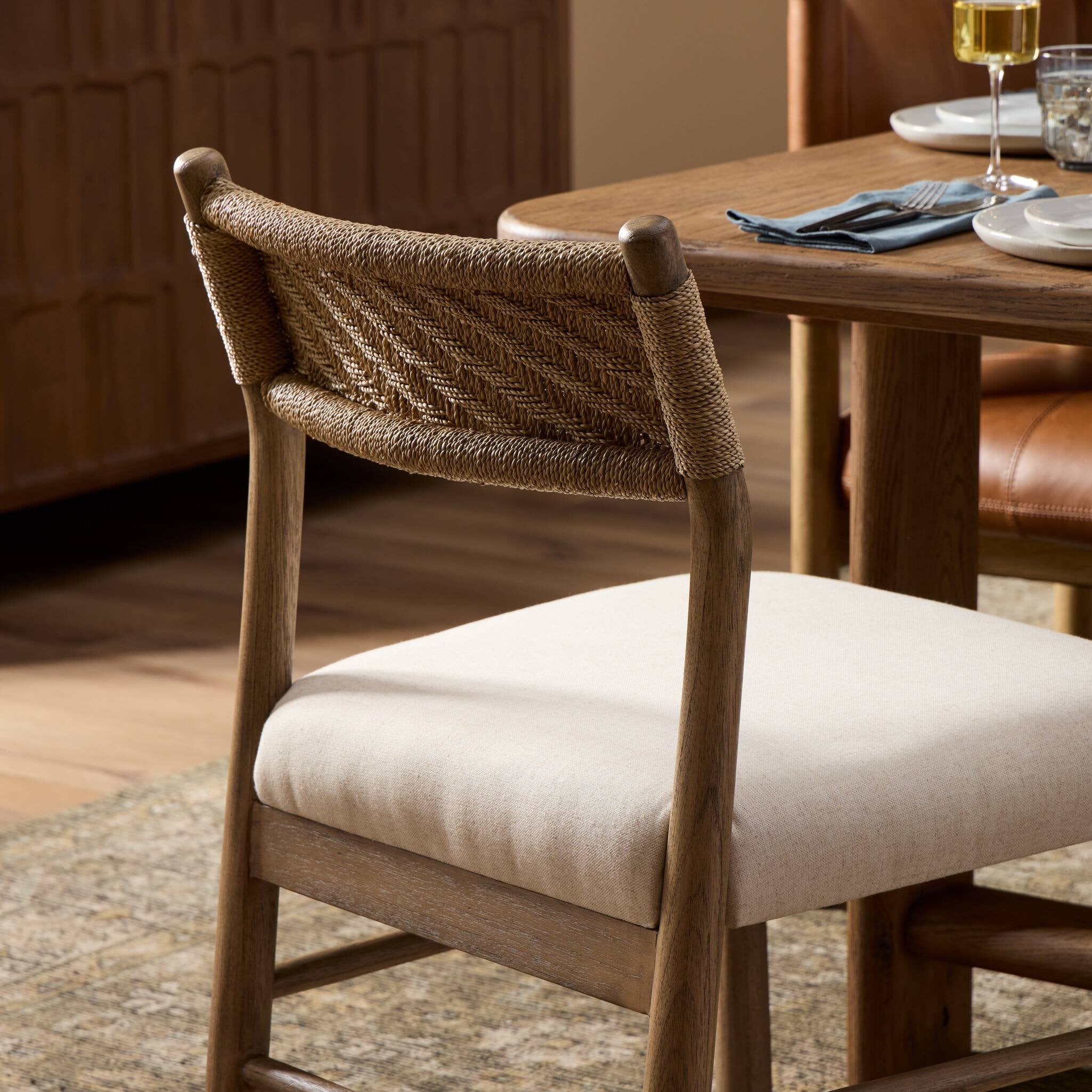
Wabi-Sabi style furniture is often simple in form but rich in texture. Picture a solid oak dining table that feels grounded and substantial, paired with sculptural chairs in woven paper cord. Low-profile sectionals in soft, nubby fabrics instantly add that relaxed ease.
For storage, choose pieces that feel artisanal—a console in reclaimed pine, a rattan-front cabinet, or a credenza with hand-carved detailing. These pieces anchor your space and bring in warmth without shouting for attention.
Pictured: Tilda Sideboard and Thalia Vessel
3. Curate Organic and Meaningful Decor
Decor in a Wabi-Sabi space is intentional and curated. Instead of filling shelves with matching sets, curate pieces that each hold their own weight. Think handmade ceramics, handwoven baskets, or a single statement sculpture.
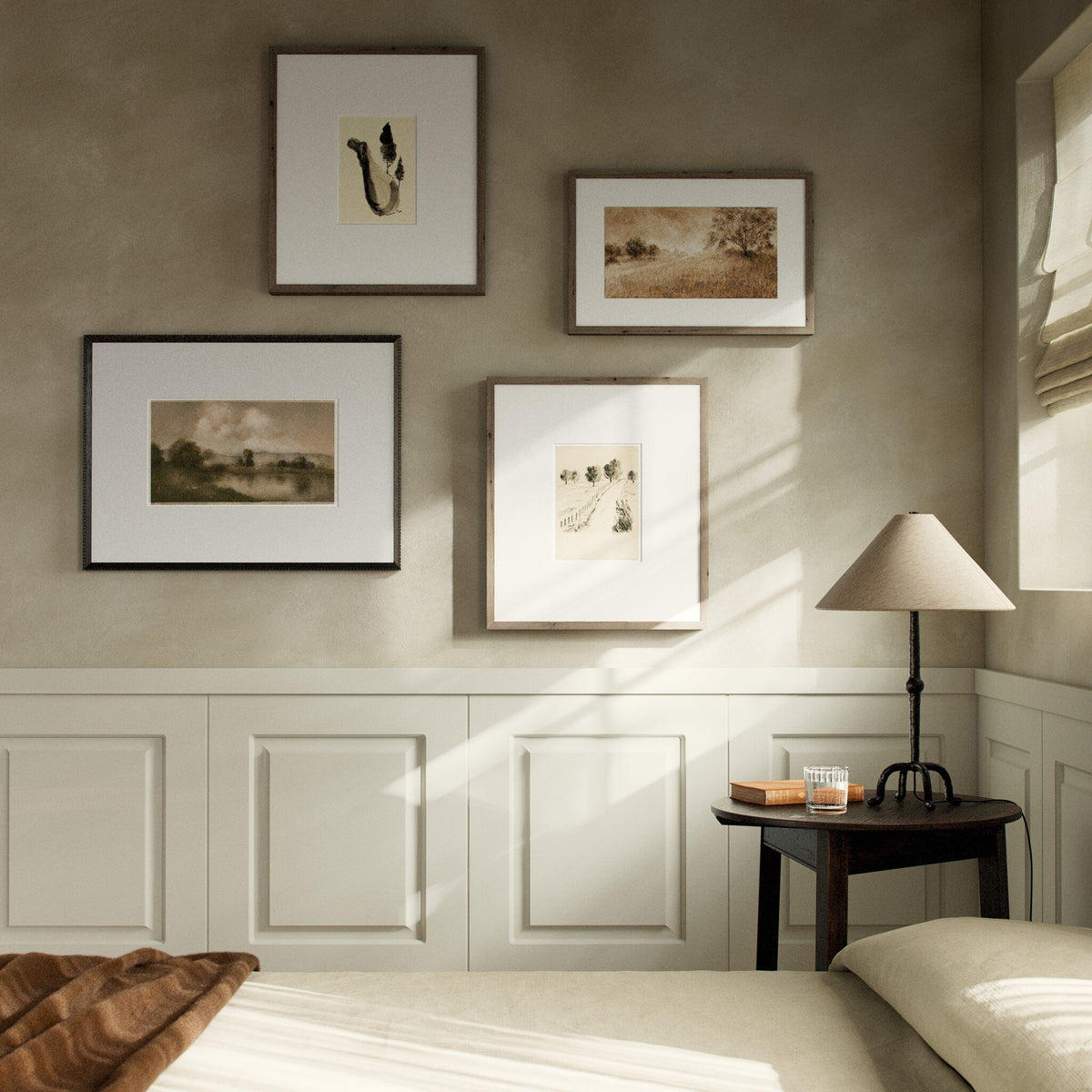
Art is often inspired by nature, like abstract landscapes, botanical studies, or minimal ink brushwork. Stick to earthy colors: sand, clay, olive, and charcoal.
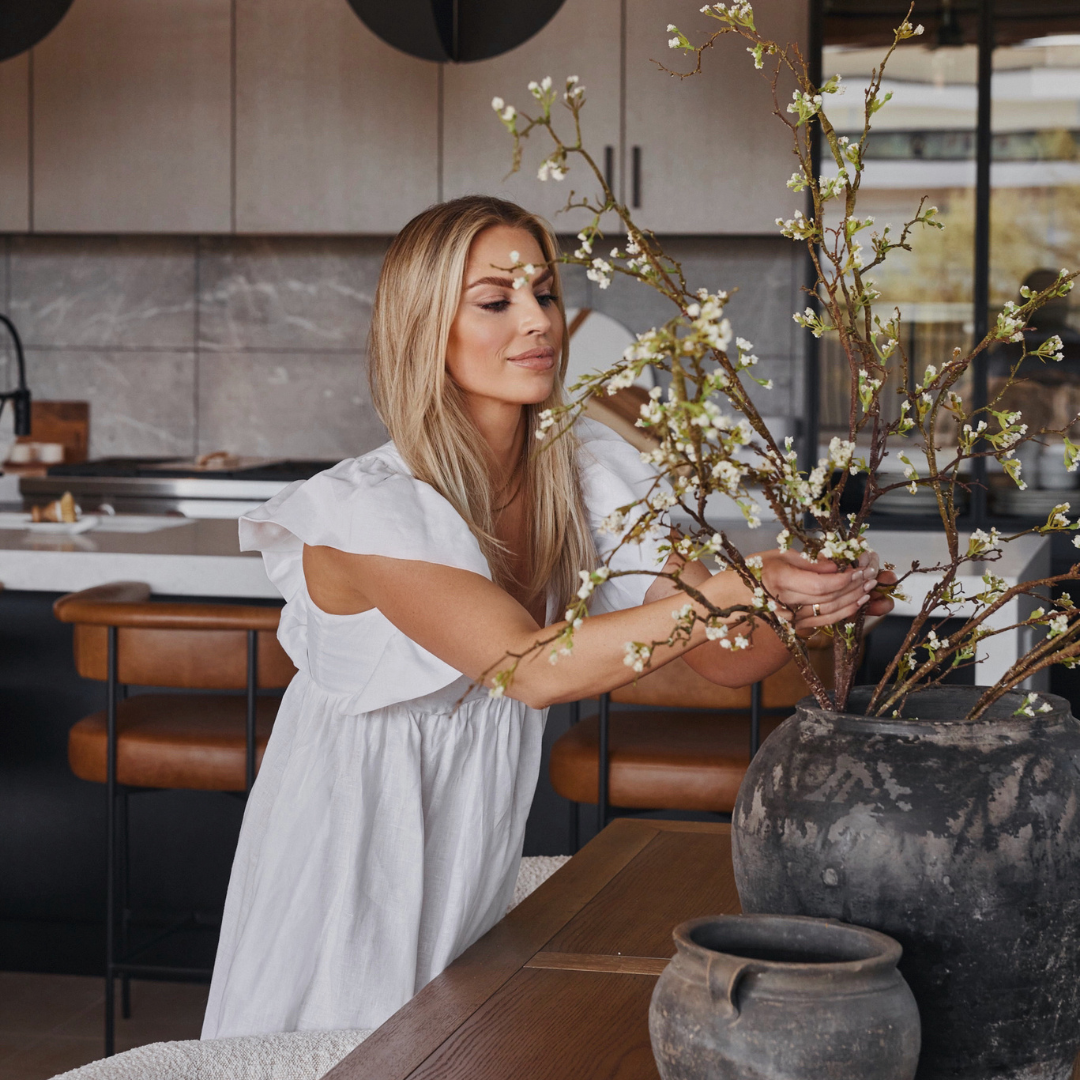
And of course, vintage vases are essential. Think handmade, natural textures that bring depth to any room.

Pictured: Amara Vintage Rice Jar and Liam Vintage Pot
4. Embrace Asymmetry and Negative Space

Asymmetry brings a sense of movement and authenticity, reminding us that beauty rarely follows a perfect formula. A slightly off-center gallery wall, mismatched ceramics grouped together, or a rug placed just shy of the room’s midpoint can all feel more natural than rigid balance. These subtle shifts create calm and intrigue, embodying the heart of Wabi-Sabi interior design.
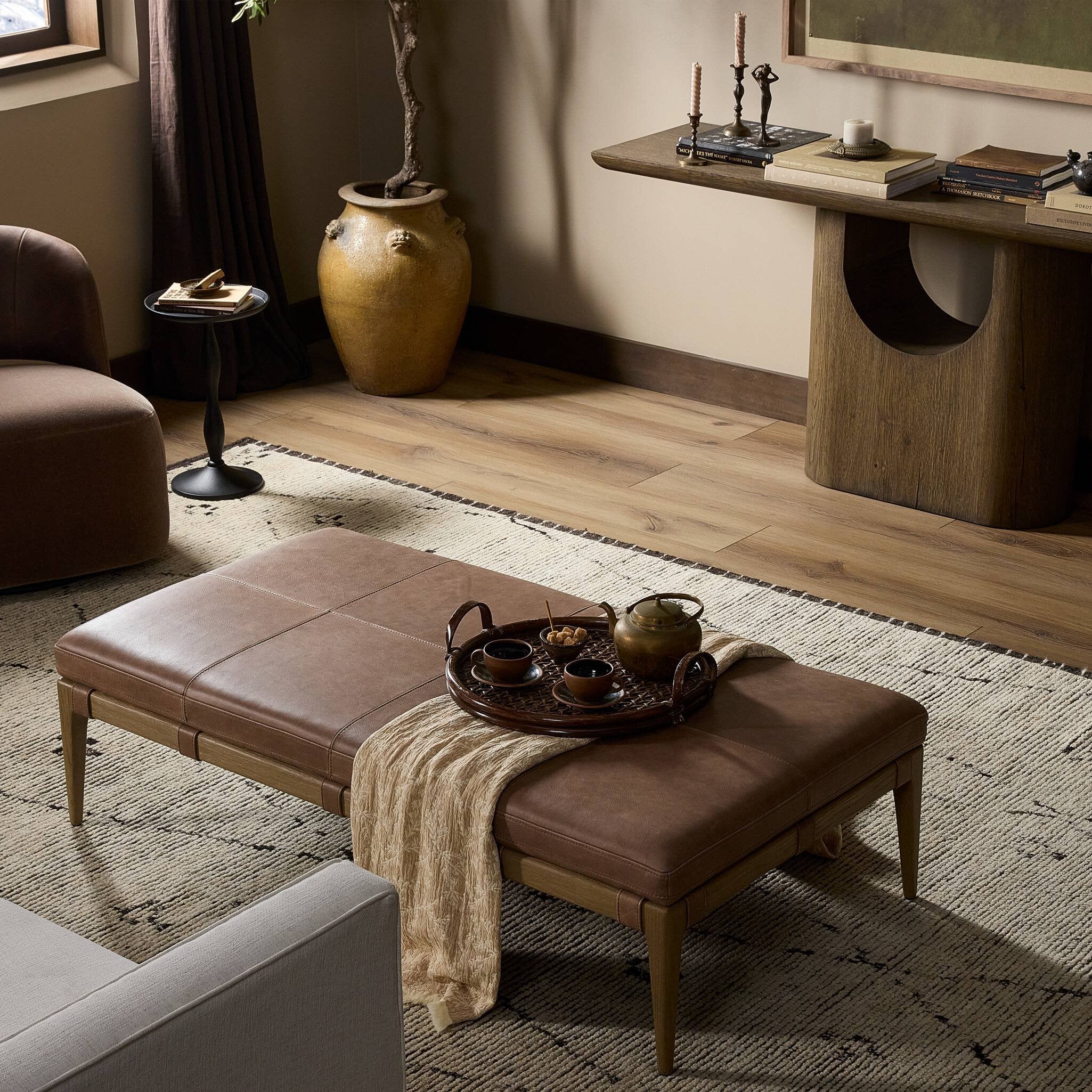
For example, a perfectly styled coffee table isn’t the goal here. Instead, try placing a stack of well-loved books off to one side, a candle with melted edges, and a single sculptural bowl.
Leave breathing room. In Wabi-Sabi design, negative space is as important as the objects themselves.
Pictured: Caroline Coffee Table
5. Layer Texture for Depth and Warmth
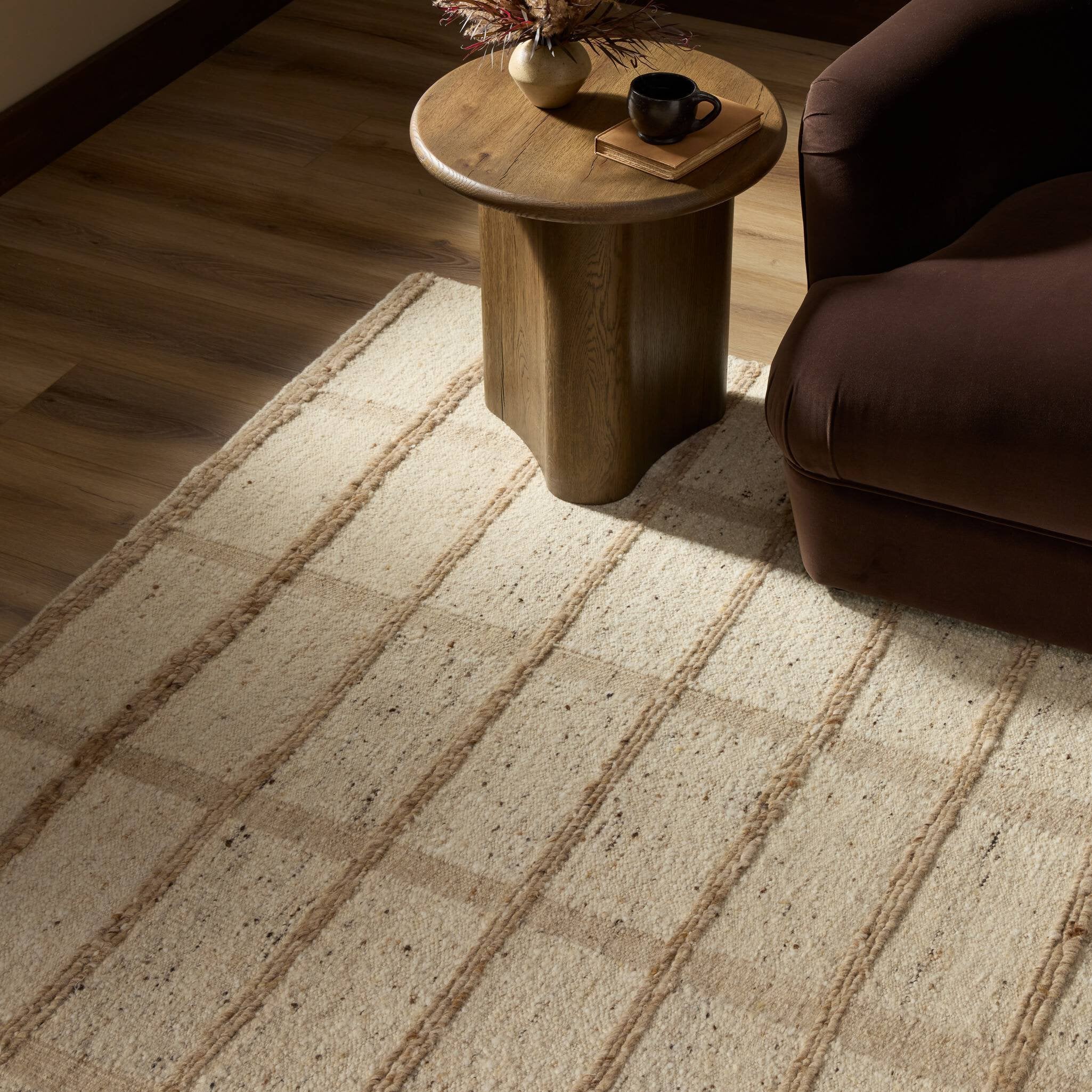
Without relying on bold colors or patterns, texture is what keeps a Wabi-Sabi space visually interesting. Pair a raw linen throw over a leather armchair, set a matte ceramic vase on a polished wood console, or layer a jute rug over wide plank flooring.
Mixing soft, hard, smooth, and rough surfaces is what makes the room feel dimensional and alive.

Pictured: Aura Project
Shop the Wabi-Sabi Collection
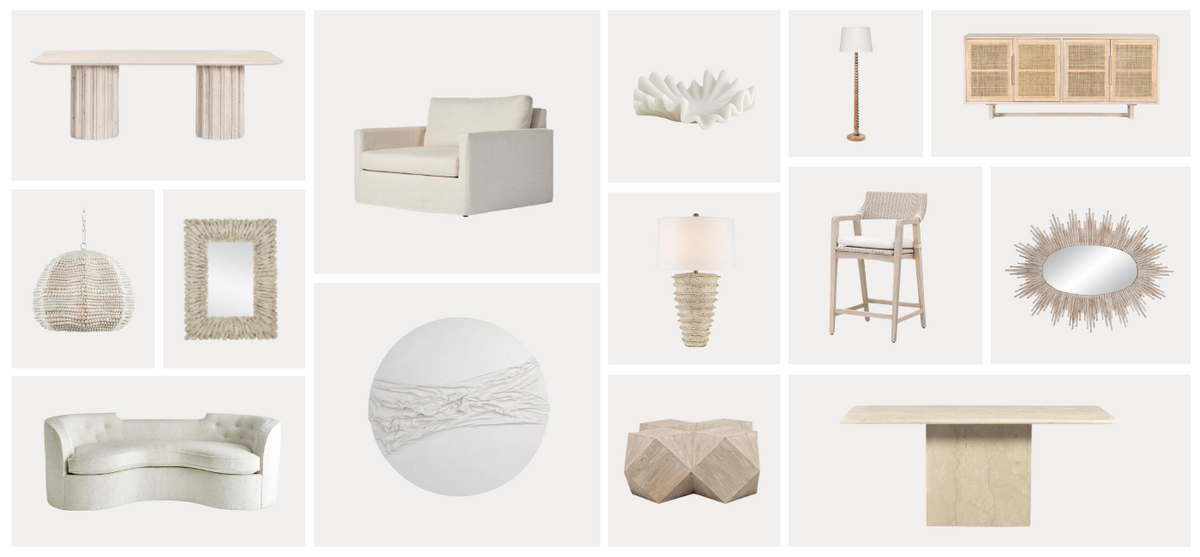
Whether you’re just dipping your toe into the style or going all-in, our Wabi-Sabi Collection has everything you need to bring imperfect beauty into your space:
Reclaimed Wood Pieces – full of character, grain, and history.
Au Natural Decor – perfectly imperfect, from vases to sculptural bowls.
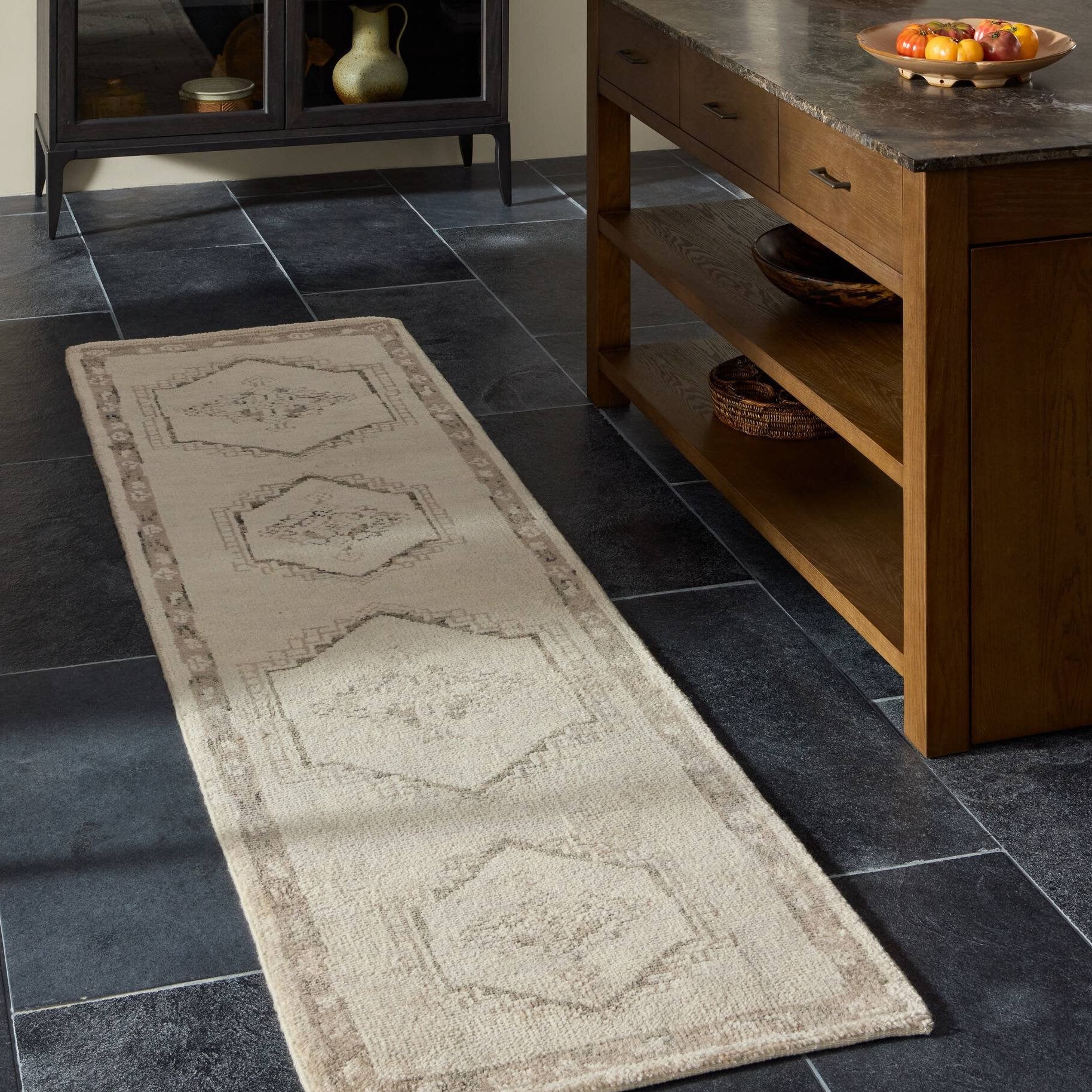
Natural Fiber Rugs – grounding and textural, perfect for layering.
Nature-Inspired Art – from soft-toned abstracts to moody landscapes.Bring home the pieces that speak to you, mix them with what you already love, and watch your space transform into something quietly extraordinary.